
At the weekend, giddy from the excitement of a trip to the opticians, I went up to London to visit the Cartoon Museum. It's something I've wanted to do for quite a while, partly because Rich Johnston from Bleeding Cool has spoken highly of it, and because a work colleague had also spoken highly of the place (though she went when they had a V For Vendetta exhibit). So, I got up early on Sunday, caught the train up to London and then navigated the Tube... which wasn't difficult but I hadn't been up to the Smoke for 2 years when I was dating someone who lived up there and I'd forgotten how long the tunnels are and the confusion that often reins when you're trying to navigate the stations to get to the right platform. It's an easy enough journey to get to Wells Street - you just hop on either the Bakerloo or Northern Line and get off at either Goodge Street, Oxford Circus, or Tottenham Court Road and walk from there. The Cartoon Museum is pretty unobtrusive from the street, I almost walked past it, but the interior is lavishly decorated with cartoons.
Walking down from street level, you soon enter an area with a shop and counter - on Sunday it was operated by an older gent who quite reminded me of Humphrey Lyttleton in his manner, if not his appearance. He explained what was on display in a most erudite manner, before directing me to the toilets (which was a blessing as I'd needed the loo since I'd got off the train).

The main exhibition features political cartoons dating from the 1700s to the present day and is dedicated to the development of this art form. The museum has cartoons from Private Eye, Punch, and every national newspaper. The pieces commemorate - if that's the right word - pivotal parts of British history, from the dramatic to the farcical. It also contains a brief tribute to Spitting Image, a significant part of the UK's modern history where satire is concerned. The exhibit contained some surprises for me, for example, there was a St Trinian's cartoon which was completed while Ronald Searle was a prisoner of war! It also celebrates classic strips like Hom Sap - Private Eye's longest-running cartoon which only ended when David Austen passed away - and Bristow.


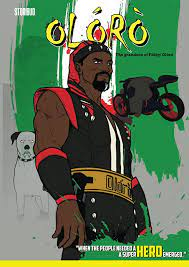
Within the exhibition there was also a smaller "highlight" which focused on a Nigerian creator, Oluwasegun Babatunde who worked with worked with the artist Daniel Egharevba and book designer Charles Fate to create an African super team, saying that Black Panther (and presumably other American made African superheroes) don't talk authentically. Interestingly, none of the heroes in the team had spiritual links to the gods or ghosts - they were weapons specialists instead. This stands in contrast to American-created African characters that normally accentuate ideas around being connected to spirits - presumably as a way to create a sense of "Africaness" to set African heroes apart from those of American nationality.
Finally, there was the Wrong Trousers exhibition, celebrating its 30-year anniversary. This was a smaller exhibit, focusing on how the film was made as well as the creation process of making storyboards, and the background for the characters. It included a brief interview with Nick Park and also had actual models from the film, including the characters and many of the items from the museum.
It felt like there was a lot of love for the characters and the film, and provided a great insight into every aspect of it's creation. Amusingly, there was even a note that Peter Sallis - the voice of Wallace - had asked why the character didn't just get off the train during the chase scene, which seemed so typically British and practical; showcasing the other side to our national character alongside the weird, whacky, aspect which the animation encapsulates.
All in all, the Cartoon Museum is a great way to spend an hour or two and is full of very interesting elements. Sadly, when I went the lift was broken so I can't say it's entirely disabled-friendly. The shop was small and cramped too, but there isn't much they can do about that without creating more problems. Even more disappointingly items from their website didn't seem to be in stock. I did buy a couple of graphic novels - The Wolf Of Baghdad and Mark Stafford's Salmonella Smorgasbord. Both are very good reads and I recommend them.
I don't really mean this to be a sort of Trip Advisor (but be careful on those stairs), as I thoroughly enjoyed my visit and would highly recommend it. There's an art room, and the shop sells art supplies, and the exhibitions are engaging. Nothing is perfect, and for me personally, the imperfections here didn't mar my trip. I would encourage you to visit when you are in London, it's well worth it.

Comments
Post a Comment